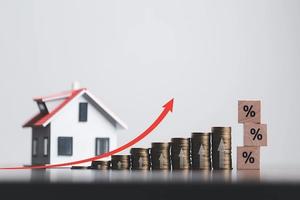
How Kenya’s Shifting Economic Trends Spark Surging Real Estate Inflation and Investor Urgency

Meta Description:
Explore how Kenya’s economic trends reshape real estate inflation and property values with 2025 market insights and investor strategies.
Understanding Kenya’s Economic Pulse and Real Estate Inflation
Kenya’s economy continues to evolve in 2025, blending steady growth with complex real estate dynamics. The relationship between inflation, GDP growth, and property markets now shapes house prices and investment strategies across urban and peri-urban centres.
This article explores how Kenya economy real estate trends influence inflation effect on property Kenya, bringing clarity to buyers, sellers, and investors.
Why Kenya’s Economy Matters to Real Estate (Macro Perspective)
Kenya’s GDP growth hovered around 5% in mid-2025, supported by agriculture, transport, and services sectors. Even with global headwinds and fiscal pressures, this growth supports broader market demand. Inflation remained moderate, staying within the Central Bank of Kenya’s target range of 2.5%–7.5%.
External link: sarabirealtygroup
Moderate inflation and stable growth boost confidence among domestic and diaspora investors seeking real estate investment Kenya opportunities. Yet, higher construction costs and credit limitations add pressure on supply and pricing.
Kenya’s economic trends now influence:
- Construction and material costs.
- Affordability of mortgages.
- Buyer purchasing power.
- Land and rental price trajectories.
Inflation’s Direct Impact on Property Prices
Inflation exerts both cost-push and demand effects on Kenya’s housing market.
1. Rising Construction Input Costs
Inflation increases the price of cement, steel, and imported finishes. These rising costs often translate into higher prices for new builds.
Developers also face rising operational costs and regulatory fees, squeezing margins and slowing new project starts.
2. Lower Purchasing Power for Buyers
Inflation erodes disposable income and savings. When households struggle to accumulate deposits and service mortgages, demand shifts toward affordable luxury apartments Nairobi and mid-range housing.
Smaller banking credit flows also mean fewer financed purchases, slowing growth in high-end markets.
3. Real Estate as an Inflation Hedge
Despite inflation challenges, property often serves as a hedge against currency erosion and volatility. Investors increasingly view luxury apartments in Kenya or off-plan apartments Nairobi as tangible assets that preserve long-term value.
Market Signals: Price Trends and Regional Variations
Urban and Satellite Growth Patterns
Nairobi and its satellite towns continue to outperform many other markets. For example, properties in satellite towns saw stronger growth than some inner-city suburbs in recent years, indicating shifting demand geography.
Residential property prices have shown modest increases, with some indexes reflecting quarterly improvements, driven by middle-income demand.
Global Comparison: Kenya Outpacing Peers
Remarkably, property prices in Kenya have risen faster than in many global markets over the long term, supported by local demand, demographic trends, and inflation.
Source: The Star Kenya
Why Kenya still attracts property investors:
- Higher capital appreciation.
- Strong rental yields above global averages.
- A growing middle class driving long-term demand.
Key Drivers Shaping Today’s Real Estate Inflation
- Interest Rate Adjustments and Lending Trends
The Central Bank’s rate cuts aim to stimulate lending and economic activity. Lending cost adjustments influence buyer affordability and mortgage uptake.
However, real mortgage uptake remains modest, underscoring opportunities for flexible mortgage options Kenya and diaspora property financing Kenya programs.
To explore more, see [Internal Link: Flexible Mortgage Options Kenya]
- Government Infrastructure Investments
Infrastructure spending significantly enhances property value in connected regions. New roads, technology hubs, and utilities expand access to previously underdeveloped zones, fuelling land and housing value appreciation.
Source: Serrari Group
Areas near improved transport corridors often see faster property appreciation.
- Demand for Affordable and Flexible Ownership
As costs rise, many buyers prioritize flexible property ownership Kenya models and payment plans tied to off-plan investment benefits Kenya. Developers respond with phased payments and incentives to attract first-time buyers and investors.
Navigating Inflation: Practical Tips for Buyers and Investors
1. Target Emerging Growth Corridors
Areas like Athi River, Ruiru, and other peri-urban developments offer significant potential. Properties here often show balanced appreciation and lower entry cost compared to central Nairobi.
Explore opportunities in refined living spaces Kenya that combine accessibility with future value growth.
2. Consider Off-Plan Developments
Investing in projects before completion often locks in lower prices. Off-plan apartments also allow flexible payments and early-stage equity growth.
For more insights on off-plan investments, see our guide on off-plan apartments Nairobi (internal link).
3. Review Mortgage and Diaspora Options
Work with lenders offering competitive flexible mortgage options Kenya and explore diaspora financing schemes to enhance affordability. These options help preserve purchasing power amid inflation.
4. Prioritise Safe, Transparent Transactions
Ensure property title verification Kenya and engage trusted real estate developers Kenya to avoid legal pitfalls and secure ownership rights.
Learn more about safe property investment Kenya via our detailed checklist (internal link).
FAQ: Real Estate Inflation in Kenya
Q1: How does inflation affect property prices in Kenya?
Inflation raises construction and land costs while eroding consumer buying power, often leading to gradual property price increases.
Q2: Is now a good time for real estate investment in Kenya?
With moderate inflation and steady economic growth, real estate remains a strong long-term investment, especially in emerging corridors and affordable segments.
Q3: How can foreign investors buy property in Kenya?
Non-residents can buy property in Kenya from abroad through local legal agents and verified developers, ensuring compliance with regulations and title verification.
Q4: What segments show the highest ROI in 2025?
Affordable housing, buy-to-let apartments Nairobi, and strategically located suburban properties often offer strong returns and rental yields.
Conclusion: Strategic Outlook for Real Estate Investors
Kenya’s economic landscape is showing resilience despite global volatility. The country’s real estate sector continues to offer robust opportunities for investors ready to understand macro-trends, inflation effects, and market dynamics.
Whether you seek modern living apartments Kenya, gated communities with amenities, or family-friendly estates in Kenya, aligning investment choices with credible data and trusted partners maximises success.
Ready to Explore Real Estate Opportunities?
Call: +254 116 071 190
Visit: www.imperiagrouponline.com
Unlock expert guidance on real estate investment Kenya, luxury and affordable homes, and trusted real estate developers Kenya today!